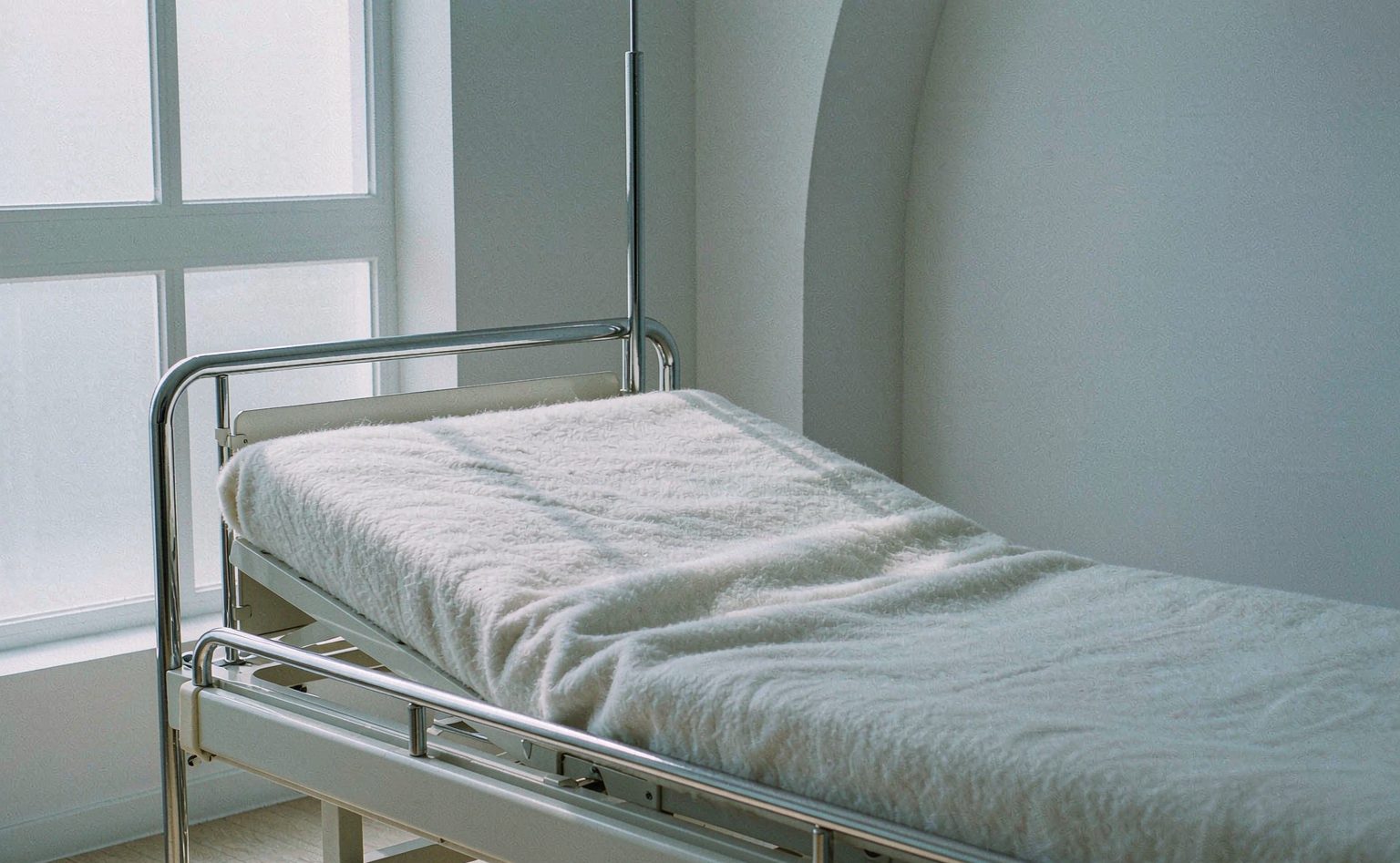
Medical-grade wool · Three decades
Wool, understood
by medicine.
A surface your body recognises. Woven to 1,950 g/m², held at 32.7 °C, and studied in six peer-reviewed papers — three of them in The Lancet.
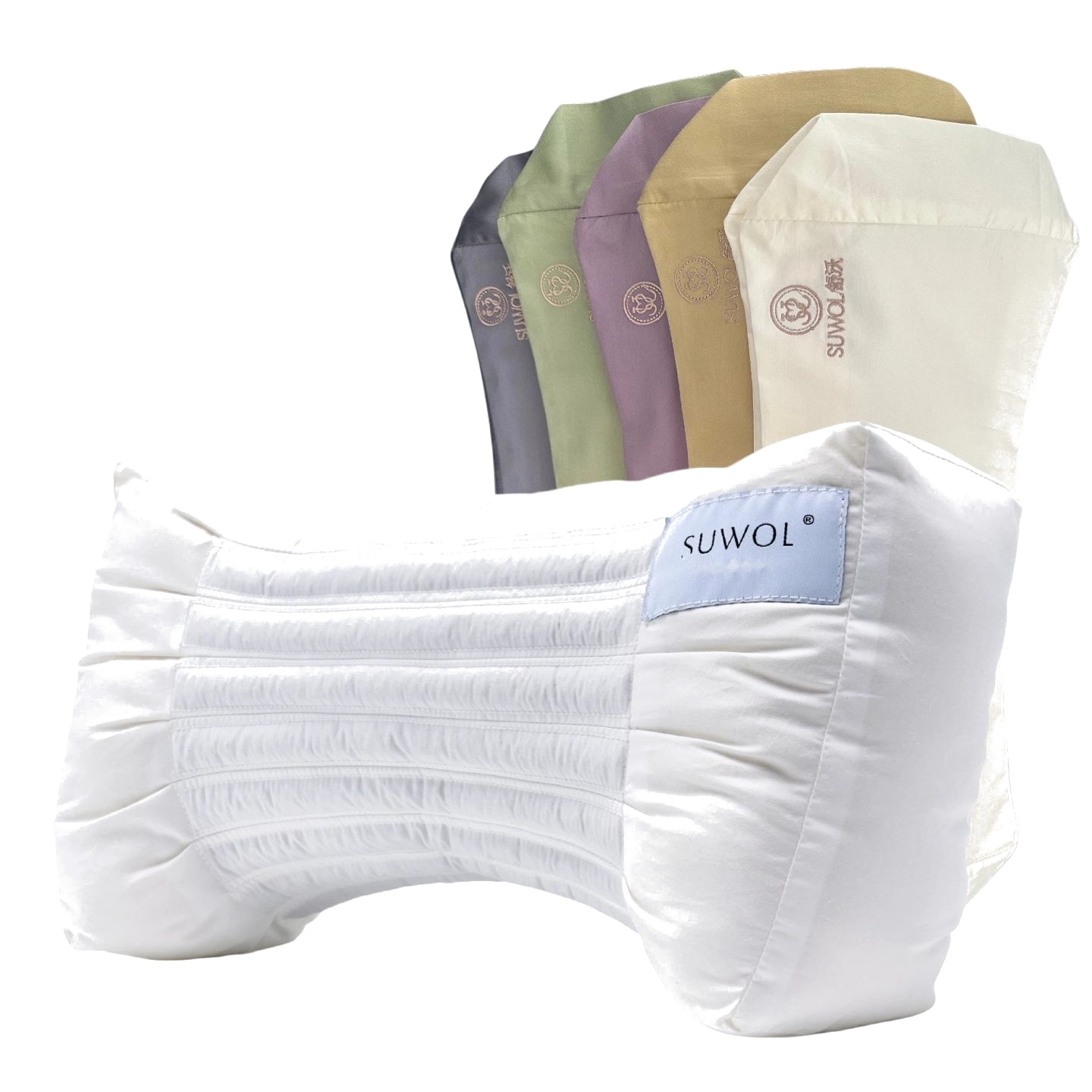
A surface your body recognises. Woven to 1,950 g/m², held at 32.7 °C, and studied in six peer-reviewed papers — three of them in The Lancet.
Most bedding insulates. This one negotiates — with temperature, with moisture, with the weight of your own body.
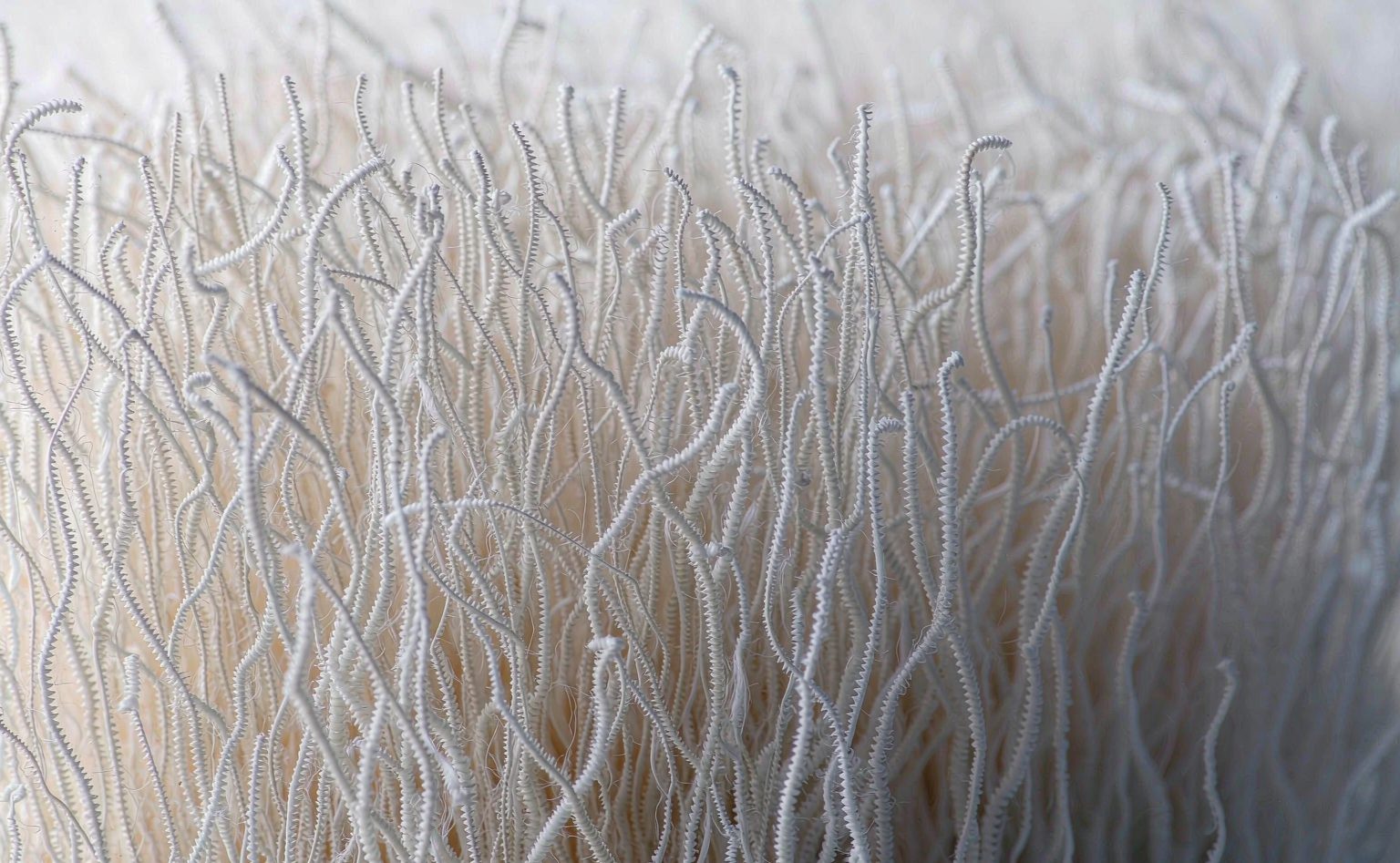
Our patent weave holds wool at a density above 1,950 g/m² without compressing the pile. Each fibre stands vertically — thousands of small springs, side by side, sharing load that a flat surface would concentrate.
Wool keratin is structurally close to the protein in your skin's outer layer. The material is not an addition to the body; it is a return of something familiar.
Roughly a quarter of human metabolism happens through the skin. When the surface cools, capillaries close; when it warms, pores open. The wool pile holds the skin surface near 32.7 °C — close to the body's own preferred 33 °C.
Wool is hydrophilic. It absorbs up to 35% of its own weight in moisture without feeling wet, then releases it as conditions dry. Skin stays dry; the microclimate stays stable.
Each fibre stands upright — a spring, 30 mm tall. Massed together they form a support plane with no hard edges. The outer keratin layer is smooth, which reduces friction and shear at the contact surface.
In a study published in the Medical Journal of Australia, wool bedding was associated with slower, steadier heart rate across the sleep cycle. A separate trial reported an increase of more than 25% in deep sleep.
“Compared with synthetic fibres, wool bedding allowed heart rate to remain slower and steadier throughout the sleep cycle.”Dickson, P. R. — Medical Journal of Australia, 1984
Documentation review by ICR Polska, valid to 27 Jun 2028. Class I, non-sterile — self-declared with technical file assessment.
Australian standard for medical sheepskins, AS 4480.1-1998. Our material is specified to exceed it.
Report (9323)149-0234-R1, tested to DIN EN ISO 14184-1:2011. Result ND, limit of detection 16 mg/kg.
Tested per HeiQ LS23-04475. Activity maintained after repeated washing against S. aureus.
Tell us the setting — home, clinic, care facility — and we will advise on sizes, quantities and shipping.